Review your saved bottle choices
Edit capacity or colourChoose the dispensing action first
The table narrows the method; the sample checks below narrow the actual component.
| Method | Choose it for | Reason to compare another option |
|---|---|---|
| Screw cap | Pour, refill or transfer the contents | The cap closes the bottle; it does not meter an amount. Compare a dispenser if portion control matters. |
| Pump | Repeated portions with one hand | Compare output per stroke and start-up presses. A pump giving too much product can be wrong even if it fits. |
| Dropper | Small amounts placed at a chosen point | Check draw-up and release. For a measured volume, specify a graduated pipette and validate delivery. |
| Sprayer | Coverage across an area | Compare mist pattern and output with the actual liquid. Use a dropper when a targeted amount matters more than coverage. |
| Bottle only | Reuse a component you already source | Keep the part reference and full neck drawing. A shared nominal diameter does not prove the existing part will seal. |
Save a dispensing preference
Pump: compare the portion, then the feel
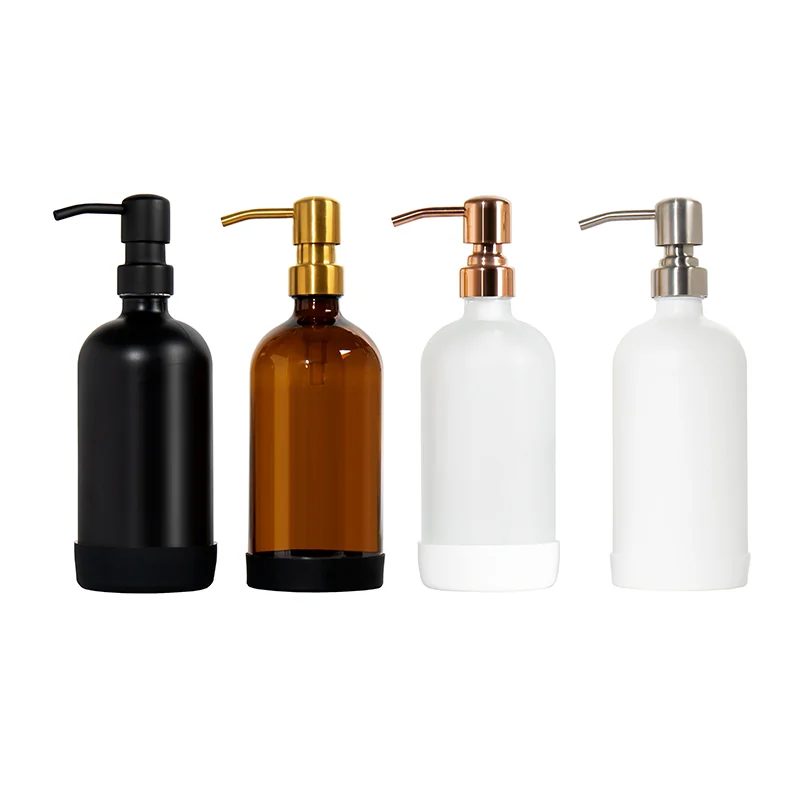
For soap or lotion, the useful question is how the complete pump behaves with your formula.
- Portion per use
- Compare quoted output per full stroke. If one press gives too much, request a lower-output component; partial presses should not be your only portion-control plan.
- Start & restart
- Count presses needed to begin dispensing and try again after standing. If the flow stalls or drips, review the pump and tube with your actual formula.
- Remaining product
- Check pickup near the bottom. Review tube length and cut when a usable amount is left behind; do not select tube length from the outside bottle height.
- Transport
- Try the proposed lock or overcap. Check the finished height and complete packed sample. Request a foaming assembly separately if foam is required.
Dropper: control placement and the amount
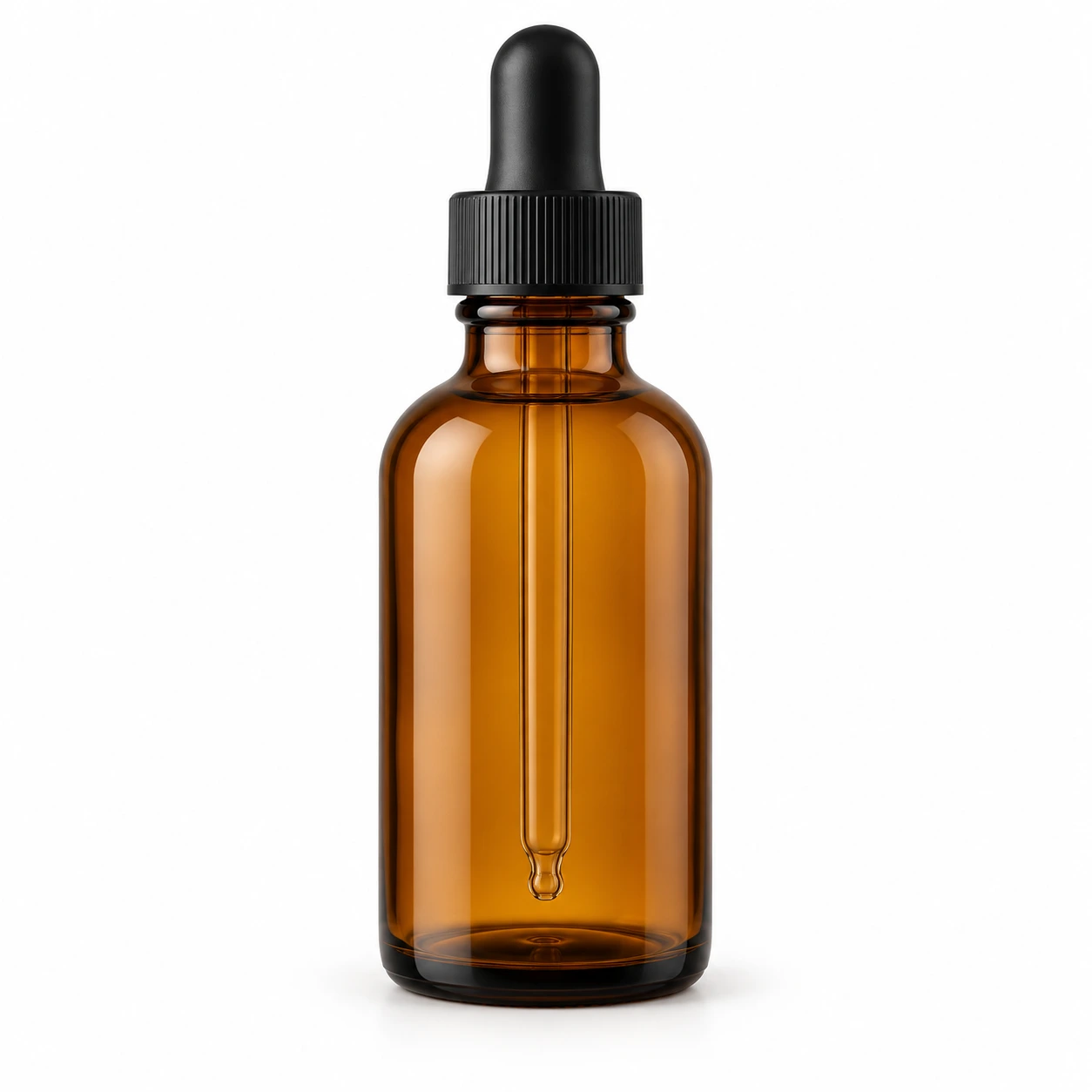
A dropper helps place a small amount at a specific point. The bulb, pipette and liquid determine how it draws and releases.
- Measured volume
- Choose a graduated pipette if a defined mL amount matters. Check delivered volume with your formula rather than treating one squeeze as a fixed dose.
- Draw & release
- Try the intended liquid. If it draws slowly or clings to the tip, compare another pipette or delivery method before ordering.
- Reach & clearance
- Check that the pipette reaches near the base without touching it or preventing closure seating. Too short leaves product difficult to reach.
- Changing bottle size
- Recheck pipette length for each bottle. A dropper chosen for one capacity should not be carried over solely because the neck diameter looks the same.
Sprayer: check the coverage on the target
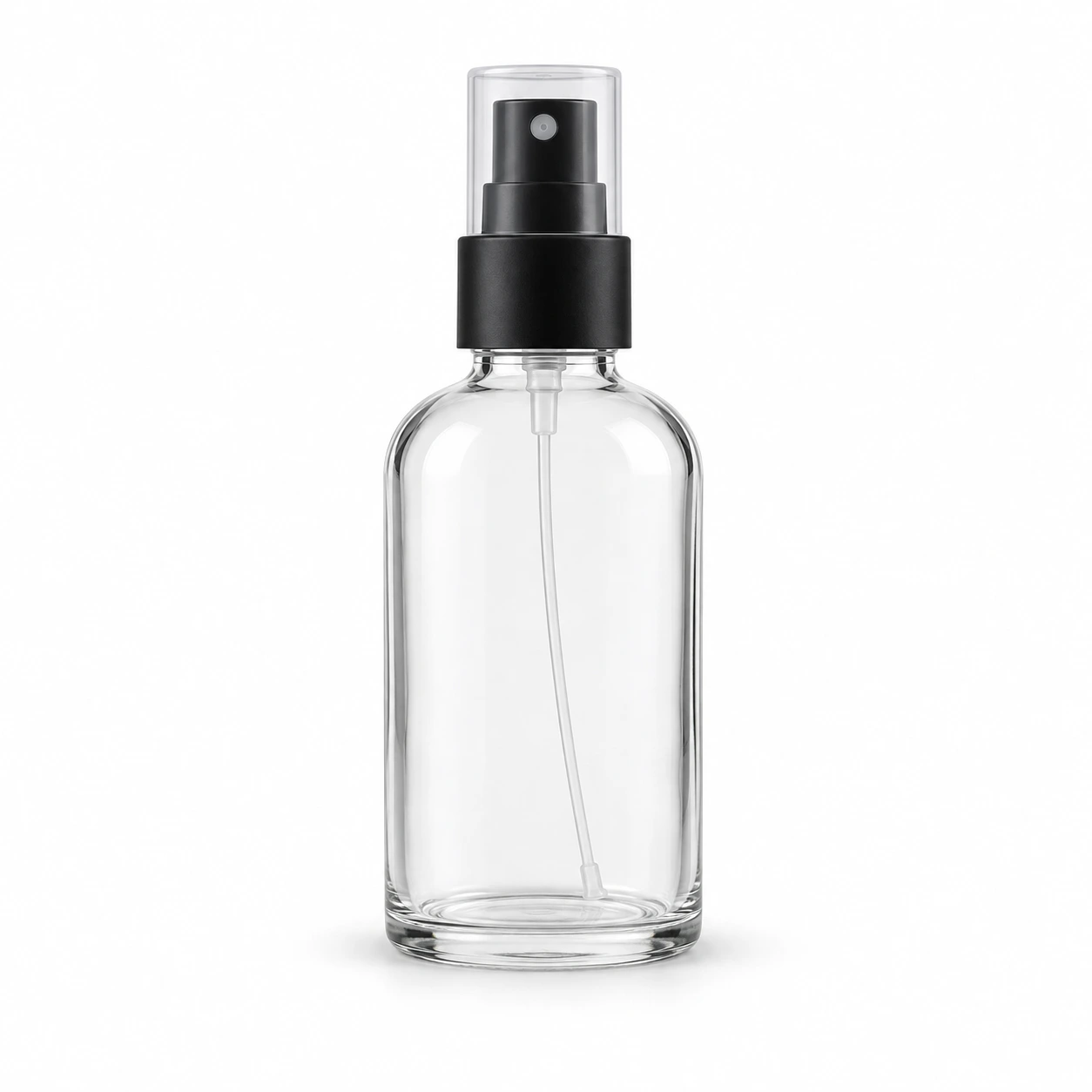
Define where the liquid should land and how wet that area should become. “Sprayer” alone does not define a mist.
- Pattern
- Spray onto the intended target at an agreed distance. Compare the width, evenness, large droplets and any jetting.
- Output
- Compare the amount delivered per actuation. If the target becomes too wet, ask for another output or pattern rather than changing only the bottle.
- Restart
- Check again after standing. Clogging, sputtering or drips are reasons to review the formula–sprayer combination.
- Carry & shipping
- Include the overcap or lock in the sample. Check clearance in the outer pack and leakage with the intended filled assembly.
Screw cap: settle pouring and sealing
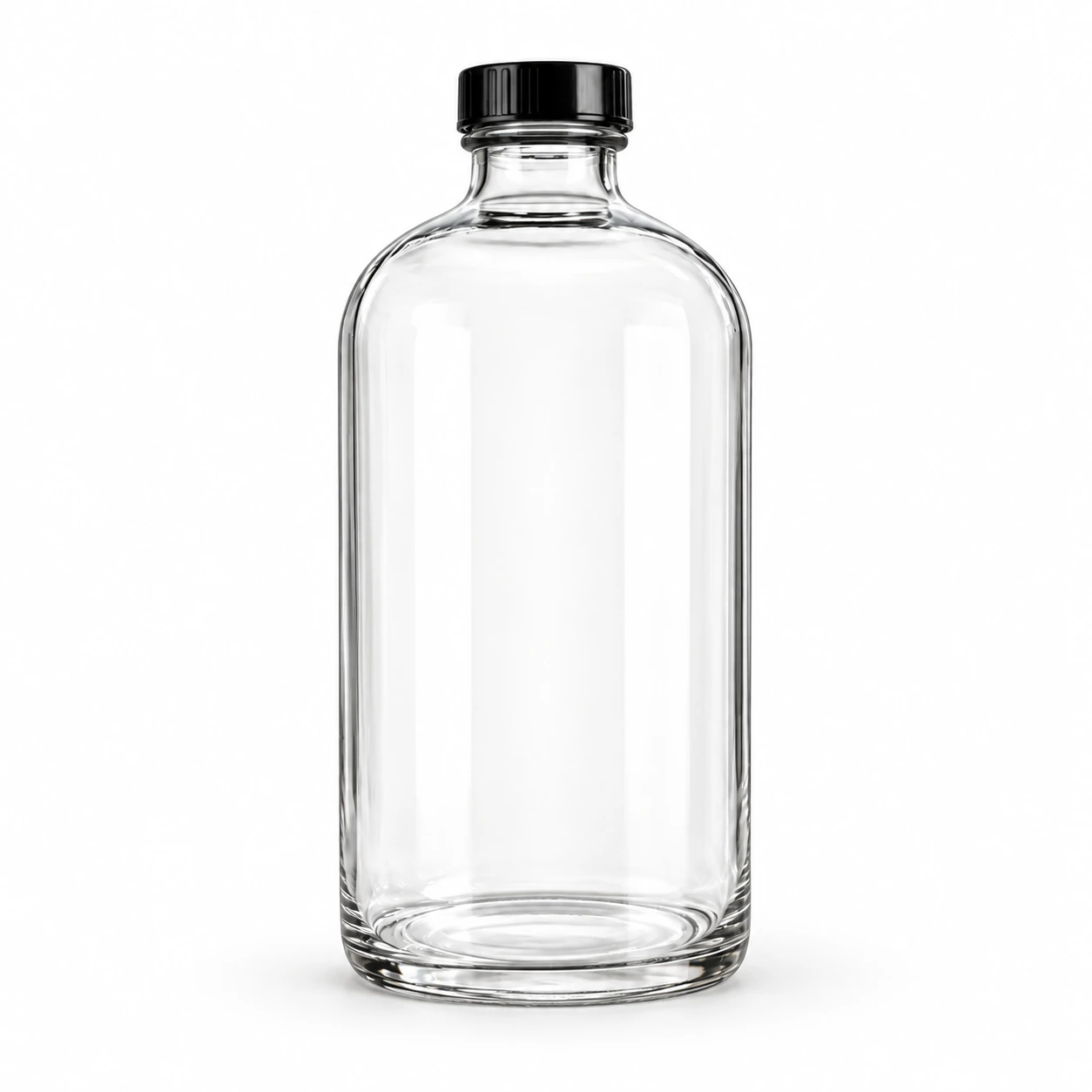
A screw cap is a starting choice for pouring and refilling. Test the open bottle as well as the closed pack.
- Pouring
- Pour the intended contents at normal use speed. If control is poor, compare a compatible dispensing insert or another delivery method.
- Closing
- Check that the cap seats squarely and the sealing surfaces engage. Ask the supplier for the intended closing conditions; do not solve a leak by tightening harder.
- Liner or inner seal
- Choose against the product, filling process and required opening experience. Confirm any liner or seal separately from the included cap.
- Bottle only
- If you supply the cap, compare its full drawing with the bottle and assemble a sample before placing the bottle order.
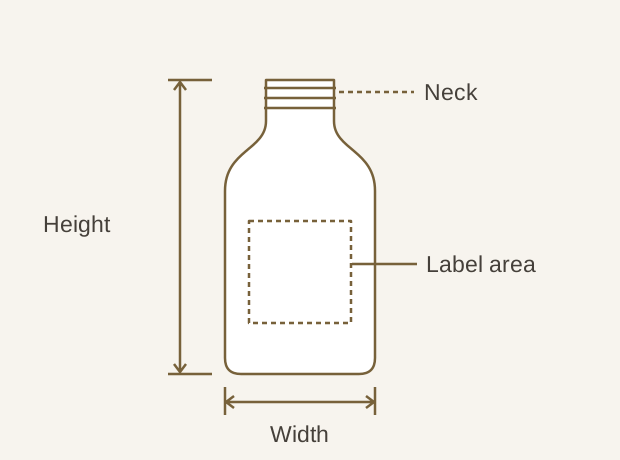
A matching diameter is only the first check
24/400 and 24/410 have the same nominal thread diameter but different finish designs. Match the full code and verify the assembled sample.
- Cap will not seat
- Stop and compare the full finish drawings and sealing interface. Do not force a cap that tilts, bottoms out early or binds.
- It screws on but leaks
- Inspect the liner or seal, closing conditions and bottle–closure pairing. Turning onto the threads is not a leak test.
- Poor pickup near empty
- Review the tube or pipette length against the bottle’s internal depth. Change the proposed component before approving the assembly.
- It fits the bottle but not the box
- Use the assembled height with the protective cap or actuator in its shipping position to revise the pack.
Technical references: SKS neck finishes · MJS dropper selection.
Quote the assembly you actually tested
The bottle cap is included in our bottle quote. Confirm the price of a pump, dropper, sprayer, liner or seal separately, including every part needed for the approved assembly.
Review your saved requirements
Request a Bottle and Component Sample
500 pieces per style. Free samples with a 7-day sample lead time. Production takes about 30 days. Confirm freight and transit for your destination.
- [email protected]
- +86 15852113628
Saved bottle choices, photo references and purchase lines are included in your inquiry draft.