What Should You Check Before Choosing a Candle Jar?
Ask for the exact container model and a statement of its intended application. Similar-looking drinking glasses, storage jars and candle containers should not be treated as interchangeable simply because they share a shape.
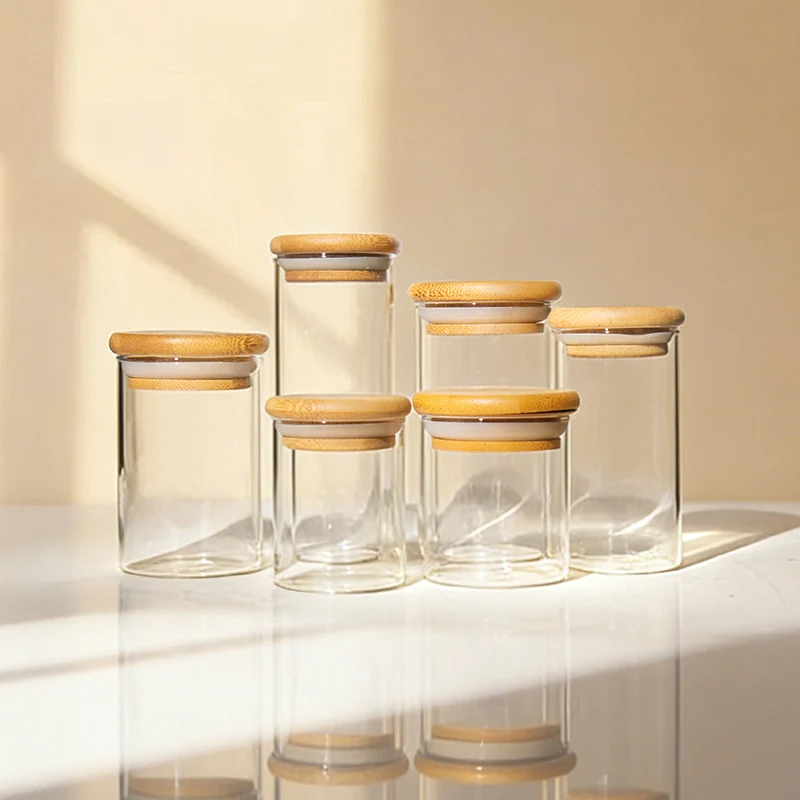
The photograph collection on this site supports appearance comparisons. It does not establish a temperature rating, a particular glass composition or a completed assessment of your wax-and-wick combination. Keep those questions attached to the chosen vessel.
What Do the Supplier Records Tell You?
Useful records connect the vessel supplied to the vessel evaluated. Ask which model, material, finish and manufacturing source the information covers, and whether the documentation applies to the version you intend to purchase.
- Container drawing, dimensions and intended use.
- Material and surface-treatment information, including interior decoration where relevant.
- Test report or declaration, with model identification, test basis, date and issuing party.
- Limitations, handling instructions and changes that would require a new review.
- A way to trace the agreed sample and specification to the supplied batch.
Container, Candle and Labeling Standards
ASTM F2179 addresses annealed soda-lime-silicate glass containers made for candle use. ASTM F2417 addresses fire safety for candles, while ASTM F2058 covers candle fire-safety labeling. These scopes are related but not interchangeable.
Use the current applicable documents and agree the assessment plan with the responsible testing professional. A standard’s title is not a test report, and a reference to it is not a claim that the jars pictured here comply.
Source: National Candle Association — Understanding Safety Standards, ASTM — F2179 specification and active-version listing.
Evaluate the Complete Candle Configuration
The vessel, wax, fragrance, dye, wick arrangement, fill line and decoration all belong in the development record. Record the chosen combination rather than keeping a jar approval separate from an unspecified candle recipe.
Before production, agree how representative samples will be assessed and how changes to any component will be handled. Keep the sample identifier, formulation, observations, results and decision together. A visual preference is not a substitute for this work.
Avoid shortcuts based on appearance
| Assumption | Better question |
|---|---|
| “The glass looks thick, so it is suitable.” | What model-specific use and evaluation information is available? |
| “Frosted glass must tolerate more heat.” | What does the actual material and finish documentation establish? |
| “This jar burned once without a problem.” | Was the complete intended combination evaluated through an agreed program? |
| “Any similar lid or insert will work.” | Has that exact component been matched to the approved vessel and use? |
Carry the agreed information into the order
Attach the approved vessel, finish, lid and formulation references to the development record and purchasing brief. Record any outstanding test or documentation request before confirming the production configuration.
For everyday candle use, follow the product instructions, keep the flame attended and away from combustible objects, and keep children and pets clear. Do not move the candle while the wax is liquid.