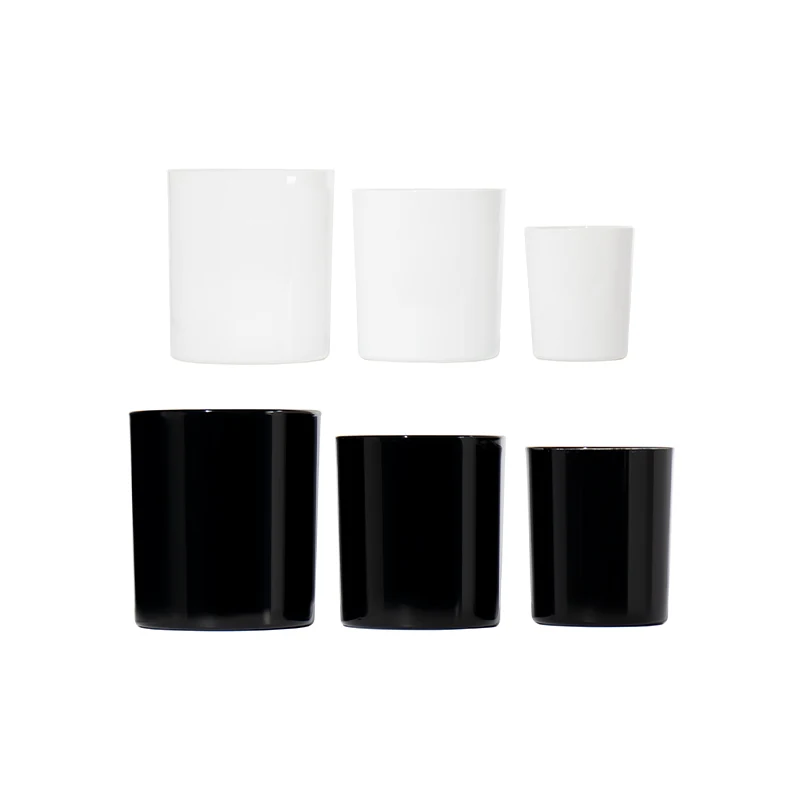
What Does a Candle Jar Size Label Mean?
Volume describes space inside the container; mass describes the amount of material by weight. Millilitres, centilitres and fluid ounces are volume units. Grams and weight ounces describe mass. A number marked only “oz” needs clarification before it can be compared with another listing.
One centilitre is 10 millilitres. Fluid-ounce definitions differ between measurement systems, so ask which system is being used if a fluid-ounce figure forms part of the specification. A product name should not substitute for a measurement.
| Field | What it means | Question to resolve |
|---|---|---|
| Brimful volume | Volume to the mouth of the vessel | How and where was it measured? |
| Working fill volume | Volume to a specified fill line | What headspace is required? |
| Net fill weight | Mass of the actual candle fill | Which formulation and fill line were used? |
| Nominal size name | A commercial description | Does it represent volume, weight or naming only? |
Which Jar Dimensions Should You Compare?
Record the widest outside diameter, the inside diameter at relevant heights, mouth dimensions, total height and the height with the lid fitted. Note any taper or rounded section that affects the usable label area.
For a closure, the profile and tolerances matter as well as diameter. For a carton, the protective insert and clearances matter as well as assembled height. Use the approved drawing and physical sample to resolve those different needs.
How to Compare Two Candle Jars
This is a worksheet, not a product specification table. The current photo collection does not provide verified dimensions or capacities for its individual vessels. Keep unmeasured fields blank until they can be tied to the selected model.
| Item | Candidate A | Candidate B |
|---|---|---|
| Supplier model / photo reference | Record reference | Record reference |
| External diameter × height, mm | Request measurement | Request measurement |
| Opening and lid profile | Request drawing | Request drawing |
| Brimful / working volume | Record each separately | Record each separately |
| Net fill weight and formulation | Measure the proposed fill | Measure the proposed fill |
| Assembled height and artwork area | Confirm with sample | Confirm with sample |
Establish fill weight with the actual formulation
Once the vessel, formulation and fill line are defined, record the empty vessel weight and the weight after filling and cooling under the agreed process. Their difference gives the measured net fill for that sample. Document whether the recorded formulation includes fragrance and other additions.
Repeat the measurement as part of your development work rather than treating one result as a universal conversion. Changes to the formulation, fill line or vessel can change the result. Keep mass in grams and container volume in millilitres as distinct fields.
Choose proportions around the full package
A low, wide vessel and a tall, narrow vessel can communicate different design intentions. Compare their footprint, label space, handling and box requirements without assuming that a similar outside size gives the same internal capacity.
A wide opening also does not prescribe the number or size of wicks. That is part of developing and evaluating the finished candle. Supply the jar geometry to the person responsible for that work.
Write an unambiguous size request
A useful request reads: “Please confirm the selected model’s outside diameter and height, brimful volume, proposed fill line, matched-lid dimensions and usable artwork area. Our target net candle fill is [your weight] using [your formulation].”
Add quantity, lid preference and destination. This gives the supplier separate fields to confirm and avoids turning a loosely defined size name into an accidental specification.